
Cracks in plaster may render any house old and feeble, despite the fact that the remaining space is clean and refurbished. Most homeowners do not pay much attention to small cracks in the beginning, yet these cracks tend to spread, and the issue develops deeper within the wall.
The work of professionals in terms of plaster repair work assists in restoring the wall covering, reinforcing the building, and providing your house with a smooth and resilient finish. The correct procedure can make your walls and ceiling look fresh, clean and strong again.
Why You Need Plaster Crack Repair Services
The cracks in plaster tend to occur because of temperature variations, building motion, or because of moisture concealed at the back of the wall. Such cracks do not get repaired accordingly, and therefore, they become widespread and reopen. Patching it yourself can offer a temporary solution, but it is hardly ever a permanent solution to the problem, and the repetitiveness of such work will be observed.
The experts of professional plaster repair know the working characteristics of plaster, the way it responds to pressure, and the material that best bonds. They use tougher ways to mend the cracks and make sure that the wall stays in place. This provides you with a long-lasting plaster finish and a smooth plaster finish that remains free of cracks.
Where Plaster Cracks Commonly Appear
The most common location of plaster cracks is in living rooms, hallways, and bedrooms, as these are the locations that have movements of people every day and fluctuation of temperatures. Steam and moisture usually crack kitchens and this undermines plaster in the long run. Ceilings are vulnerable to deeper cracks in particular and they should be repaired in the shortest time possible in order to prevent safety risks.
Once you learn the points that show the majority of cracks, then you can keep track of those points and take action before the damage spreads. This plays a significant role in having good, healthy walls all over your home.
Complete Guide to Smooth & Durable Plaster Crack Repair
Understanding What Causes Plaster Cracks
When the structure is upset, the temperature is altered, or when moisture is deposited into the wall, cracks arise. The original plaster was sometimes not applied well, thus making it weak and easy to break. On other occasions, there had been repairs completed previously and this time the plaster is failing. Every cause needs a variation of repair.
How Plaster Behaves Over Time
Plaster shrinks and swells with the temperature. The plaster can fail to move evenly when the weather changes abruptly, resulting in hairline cracks. Naturally, old houses also tend to get cracks as the construction subsides.
Why Moisture Creates Cracks Faster
Moisture is considered to be one of the largest enemies of plaster. All these may lead to softening and crumbling of plaster, even with small leaks. This results in more profound and extensive cracks, particularly on ceilings and walls surrounding the bathroom or kitchen.
Inspection and Preparation
In order to repair plaster, the professionals start with a thorough examination. They look at the extent of the crack, and the looseness of the plaster around the crack and the damage to the wall underneath. This assists in uncovering the concealed issues that may lead to the recurrence of the crack in the future.
The preparation starts after inspection. Loose plaster is taken off, the crack is wiped and a V-shaped trench is made that make new plaster bond firmly. This process enhances the strength of the repair, and it does not crack again in the future.
Two Key Repair Stages
1. Application of High-Quality Plaster Materials
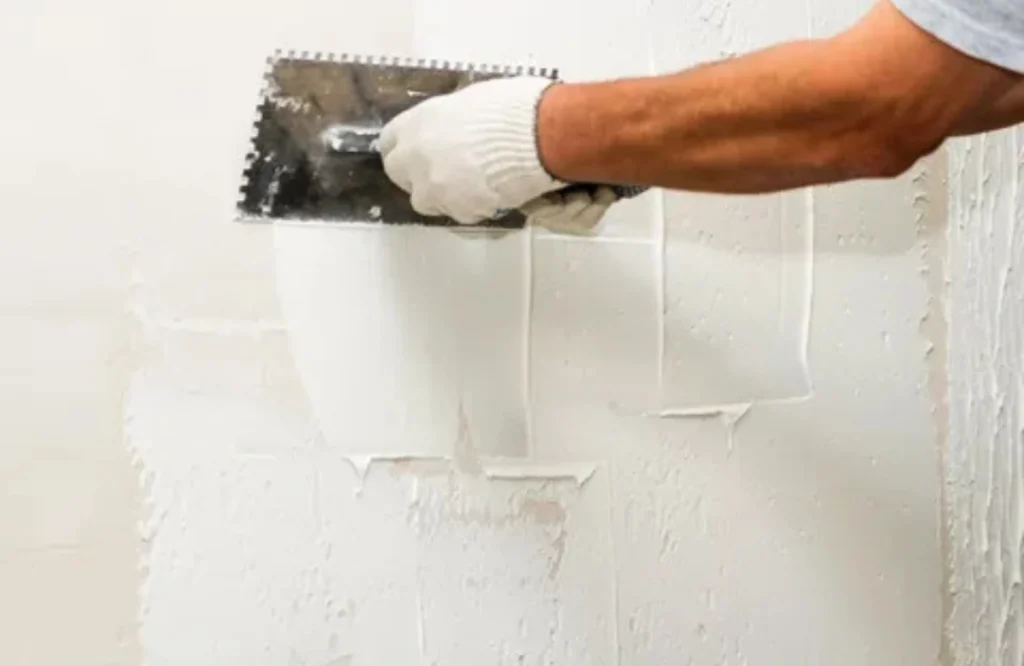
The initial significant repair phase will be the high-quality plaster materials. Bonding agents are used together with mesh taping and hard plaster compounds to repair the damaged area by professionals. These materials are selected since they remain hard throughout the years and they do not break. The plaster is done in layers and this enables it to dry gradually, which contributes to the formation of a solid and durable foundation.
2. Smoothing, Sanding, and Finishing the Surface
The second step is aimed at making the repair smoother and blending it with the rest of the wall. After the drying of the plaster, experts sand it till the surface appears smooth and even. A last skim layer is subsequently put on. The wall looks entirely homogeneous when painted. This process provides your house with clean and crack-free plaster work that appears professionally painted.
Common Types of Plaster Repairs
Hairline Cracks
These are very thin cracks that are found on corners, doors and windows. They are tiny but may develop very fast in case of negligence.
Deep Wall Cracks
Cracks that will go deeper require mesh reinforcement and multiple layers of plaster to ensure that the wall is strong.
Ceiling Cracks
Ceilings are more fragile and require professional plastering since they can easily become sagging or falling away.
Benefits of Quality Plaster Repair
Restores a Smooth and Clean Look
Repairing your walls by the professionals brings them alive again. Plaster finish also gives a smooth plaster finish, resulting in a bright room that appears well taken care of with no traces of old age or damage.
Strengthens Weak Areas and Prevents Future Cracks
The weak points that led to the cracks are strengthened in the case of a proper repair. This helps to avoid the same damage recurring and keeps your house safe.
Two Helpful Tips for Preventing Future Cracks
1. Keep Moisture and Temperature Stable
Moisture and temperature are one of the best ways of avoiding cracks in the plaster in the future. Plaster is soft and weak when there is an increase in the level of humidity or when walls are damp. It is important to ensure that the indoor temperatures remain constant and to repair leaks before they can cause cracks to the plaster.
2. Avoid Strong Vibrations and Heavy Impact on Walls
Vibration is another widely known cause of cracks. Banging doors, noisy appliances, or high objects against walls may cause pressure that results in cracks. It is advisable to keep the home quiet and not to be abrupt to keep the walls healthy and to minimize the possibility of cracks developing once more.
Conclusion
Plaster cracks may propagate very fast and may lead to permanent destruction without the proper way of repair. Professional repairs of plaster provide you with a high-quality, smooth, and clean finish on your home that will last several years. Having the right methods, good materials, and excellent workmanship, you can have no cracking on walls or unsafe ceilings. The frequency of maintenance and inspection also contributes to avoiding the formation of new cracks. When you invest in professional plaster repair, you not only enhance the look of the house, but you also ensure that the structure of the house is not compromised.
Visit Niemann Painting today and provide your walls with the long-term care they need to find out more tips, detailed services and book your consultation at your home.
FAQs
They normally occur as a result of structural movement, moisture, or aging plaster.
Small cracks may be sealed; however, professional repair lasts longer and is smoother.
Yes, the cracking of the ceiling is something that should be handled by experts since it may become unsafe.
Yes, the texture is mixed by the professionals such that nobody notices the repair once the painting has been done.
An excellent repair will take more than a decade, provided the wall is not wet or unstable.
They will not come back in case the cause is fixed, and the repair is done by a professional.
Maintain humidity, eliminate rigorous vibrations, and repair leakages in time.
